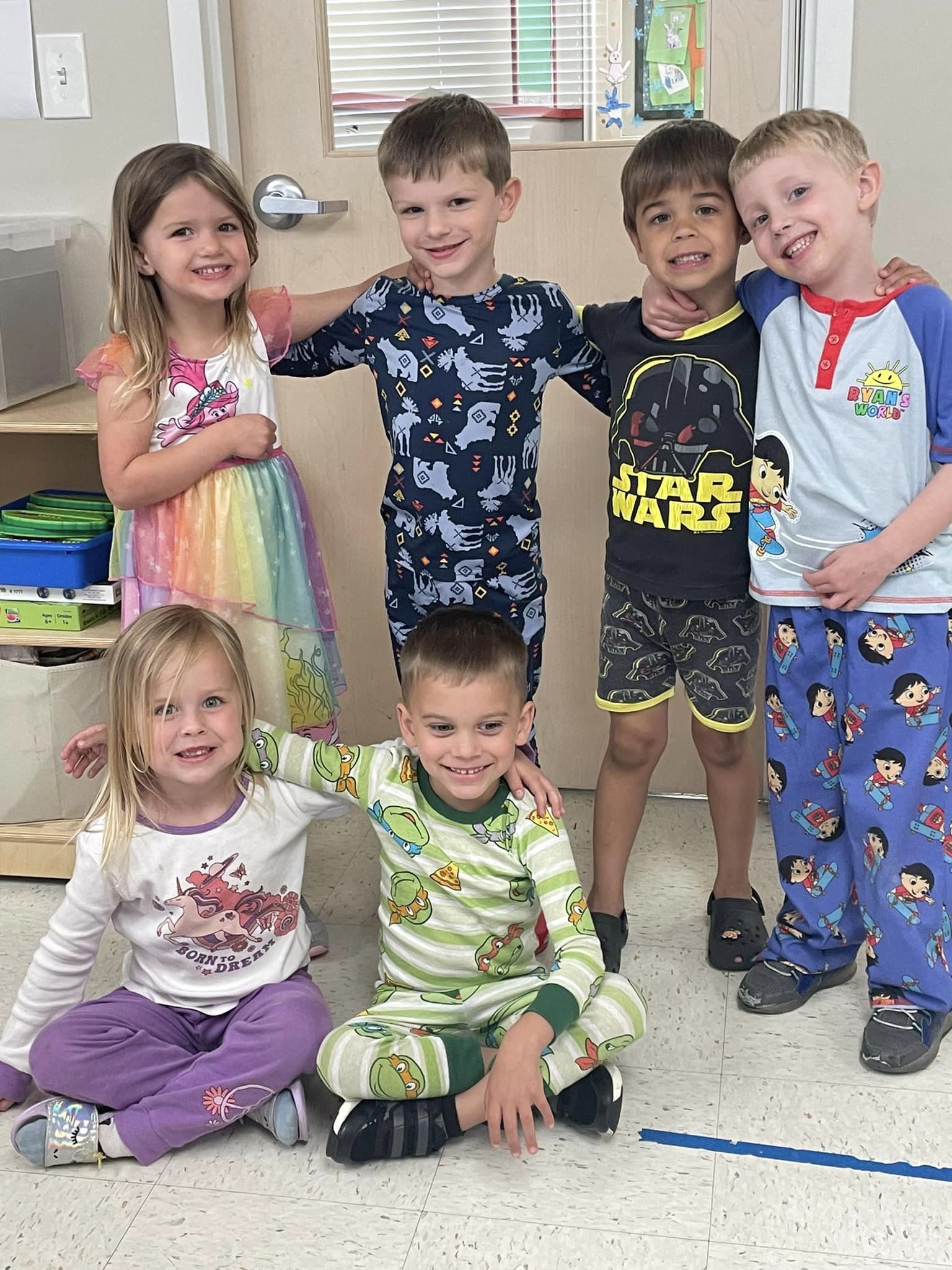

Quick answer: Preschool helps children build social confidence, early language and literacy, problem-solving skills, routines, independence, emotional regulation, and school readiness. The best preschool programs do this through warm teacher relationships, play-based learning, predictable routines, and age-appropriate curriculum.
For many Westerville families, preschool is the bridge between home, toddler care, and kindergarten. It gives children a safe place to practice being part of a classroom while still learning through play, movement, stories, songs, art, outdoor time, and hands-on activities.
1. Preschool builds social confidence
Preschool gives children repeated practice with sharing, taking turns, joining group play, listening to others, using gentle hands, and solving small conflicts with adult support. These skills matter because kindergarten and later school success depend on more than letters and numbers.
2. Preschool supports language and early literacy
Children build language when teachers read aloud, ask thoughtful questions, introduce new words, sing songs, point out letters, and encourage children to describe what they are making or imagining. Early literacy does not need to feel like a worksheet. It can grow through stories, labels, rhymes, dramatic play, classroom jobs, and conversations.
3. Preschool strengthens early math and problem-solving
Early math shows up when children count blocks, compare snack portions, notice patterns, sort objects, build towers, measure with hands, and solve practical problems during play. Preschool helps children connect number words, shapes, patterns, and quantities to real experiences.
4. Preschool helps children practice routines
Daily routines help children feel secure. Preschoolers practice arrival, cleanup, meals, handwashing, group time, outdoor play, rest, transitions, and pickup. Over time, those routines build independence and make the school day feel more predictable.
5. Preschool supports emotional regulation
Young children are still learning what to do with big feelings. Preschool teachers help children name emotions, ask for help, wait, try again, repair mistakes, and use safer choices when they are frustrated. These everyday moments build the foundation for social-emotional growth.
6. Preschool encourages independence
Preschool gives children chances to put away materials, carry belongings, make choices, care for classroom supplies, wash hands, help with jobs, and attempt age-appropriate tasks before an adult steps in. Independence grows when children are supported, not rushed.
7. Preschool prepares children for kindergarten
Kindergarten readiness includes communication, attention, routines, peer play, early literacy, early math, fine-motor skills, and confidence. Preschool gives children many low-pressure opportunities to build those skills before they enter a larger school setting.
What makes preschool especially valuable for working families?
Families are not only looking for learning. They also need trust, communication, consistent hours, and a team that understands the daily realities of childcare. At The Learning Academy in Westerville, families can ask about our preschool program, research-based curriculum, daily routines, parent communication, and current classroom availability during a tour.
Parent FAQs about the benefits of preschool
Is preschool necessary before kindergarten?
Preschool is not legally required before kindergarten, but it can help children practice routines, social skills, early literacy, early math, communication, and independence in a classroom setting.
What age is preschool usually for?
Preschool programs commonly support children around ages 3 to 5, depending on the center, classroom placement, developmental fit, and availability. Ask the center which classroom is the best match for your child.
What should my child learn in preschool?
Preschool should support the whole child: language, early literacy, early math, social-emotional skills, creativity, movement, independence, curiosity, and classroom confidence.
How do I know if a preschool is a good fit?
Tour the center, observe teacher-child interactions, ask about curriculum and routines, review communication tools, and consider whether the classroom feels warm, organized, safe, and developmentally appropriate.
Tour a preschool in Westerville
If you are comparing preschool options in Westerville, schedule a tour with The Learning Academy. We can show you how our classrooms support early learning, social confidence, parent communication, and kindergarten readiness.